Global energy markets in chaos as Iranian strike on Qatar triggers historic gas price surge
03/02/2026 / By Lance D Johnson

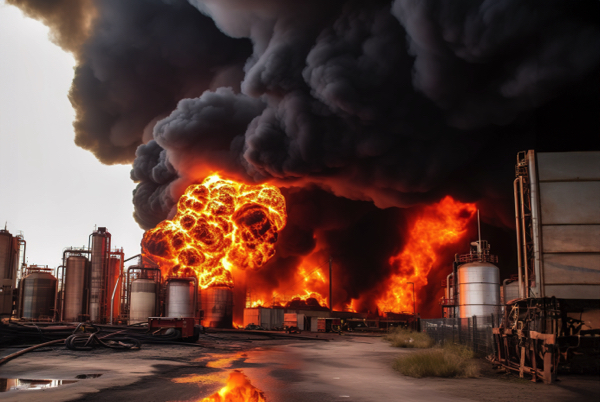
The world’s energy lifeline is under direct assault, and the consequences are already rippling through global markets with terrifying speed. Following a coordinated U.S.-Israeli military strike on Iranian nuclear facilities over the weekend, the promised retaliation has arrived not with a ground invasion, but with a precision strike at the heart of the world’s energy supply chain. On Monday, Iranian drones hit Qatar’s Ras Laffan facility, the planet’s largest liquefied natural gas (LNG) export plant, forcing an unprecedented shutdown. The immediate result was a 50% explosion in European natural gas prices, a chilling echo of the 2022 energy crisis, proving that the Strait of Hormuz is not just a shipping lane but the fragile artery of modern civilization. This event confirms the worst fears of analysts: the Israel-Iran conflict has moved from a regional political struggle to a direct, physical threat to global economic stability, with the Biden administration’s foreign policy failures leaving the world dangerously exposed.
Key points:
- European benchmark natural gas prices surged as much as 50% in a single day after Iran attacked Qatar’s critical Ras Laffan LNG facility.
- The plant represents roughly one-fifth of global LNG supply, and its shutdown creates an immediate, severe threat to worldwide energy security.
- Financial giant Goldman Sachs had just warned that European gas prices had “little-to-no risk premium” for Middle East conflict, leaving markets utterly unprepared for this shock.
- The bank’s analysis suggests a one-month halt of LNG through the Strait of Hormuz could send prices to 74 EUR/MWh, a level that triggered massive demand destruction and crisis in 2022.
- While the Strait remains technically open, tanker traffic has largely halted, and a single successful strike on an LNG carrier could cause historic market panic.
- The U.S. may see limited direct impact on its domestic gas prices, but global competition for alternative supplies will drive inflation worldwide.
- European gas storage levels are unusually low for this time of year, making the continent acutely vulnerable to any supply disruption as it tries to refill reserves.
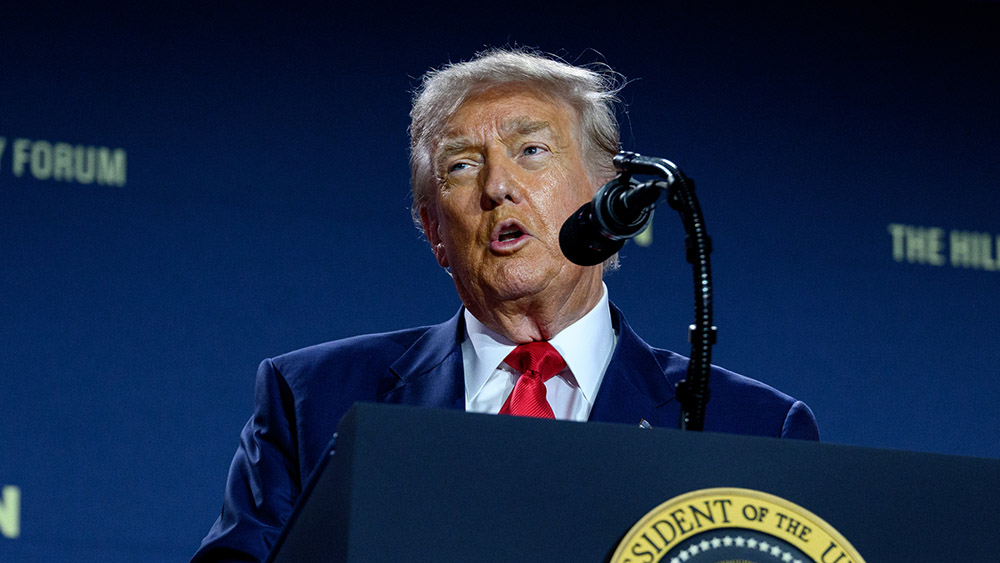
- President Donald Trump stated the bombing campaign against Iran “could last for weeks,” indicating a prolonged conflict that markets have not priced in.
The precarious chokepoint
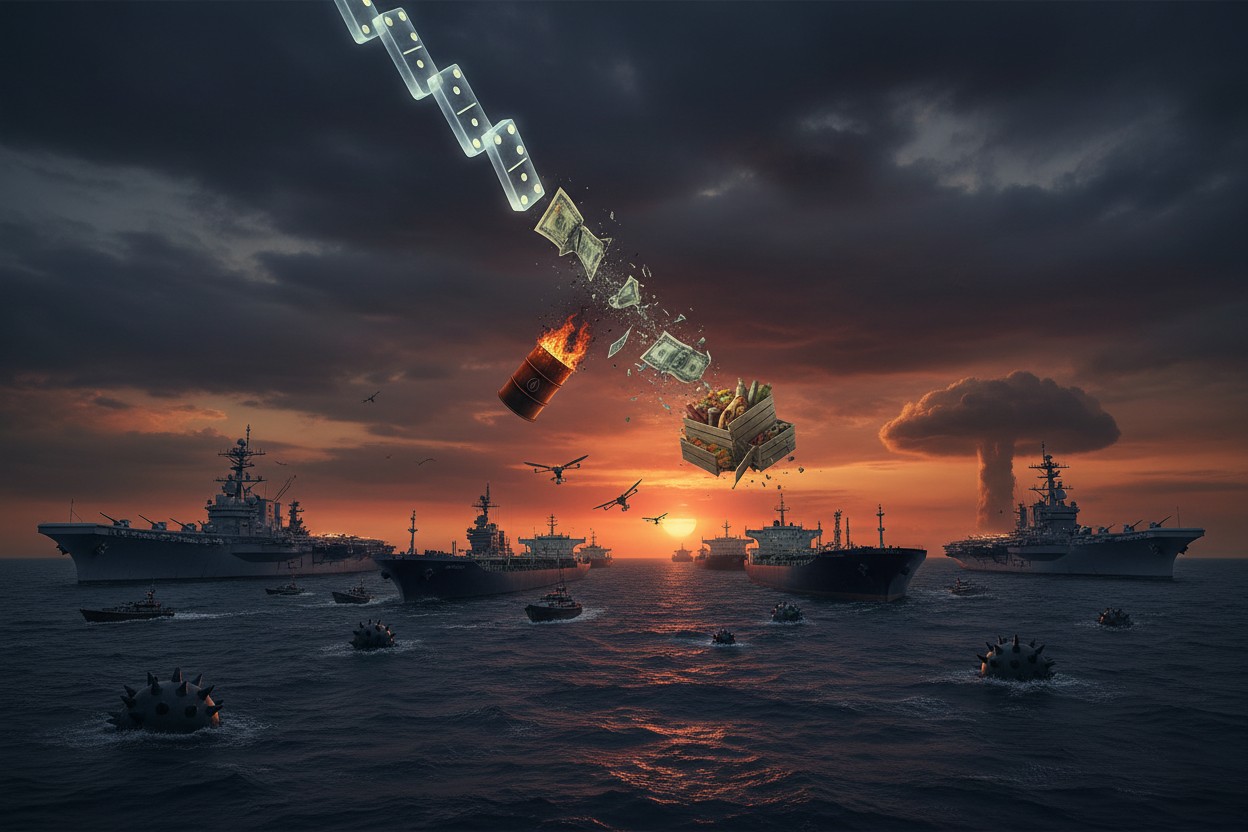
Imagine the global economy as a human body, and the Strait of Hormuz as its primary aorta. Every day, 20 million barrels of oil and massive volumes of LNG flow through this narrow passage, powering industries and heating homes from Berlin to Beijing. This is not merely trade; it is the transfer of lifeblood. Iran’s strategic position, with its ability to deploy shore batteries and military assets on islands dotting the strait, has long been the world’s worst-known vulnerability. The attack on Qatar’s LNG plant is a demonstration of power—a show of force that proves Iran can cripple energy markets without formally closing the waterway. By targeting the world’s largest LNG exporter, Iran has shifted the battlefield, proving that critical infrastructure far from the immediate conflict zone is now fair game. This creates a scenario where every LNG tanker becomes a potential floating target, and insurance markets may simply refuse to cover transit, effectively imposing a blockade without a formal declaration.
A world unprepared and exposed
Why was the market so blindsided? According to analysis from Goldman Sachs, European natural gas prices had embedded almost no premium for the escalating Middle East conflict until Friday. Traders, perhaps numbed by years of geopolitical tension, were caught flat-footed. The bank’s grim calculus shows that a one-month disruption of LNG flows through Hormuz would force European prices to essentially double, approaching the crisis thresholds of 2022. A disruption lasting more than two months could shatter the 100 EUR/MWh barrier. This isn’t abstract finance; this is the direct cost of failed diplomacy and aggressive militarism. The Biden administration’s dismantling of domestic energy independence, coupled with a foreign policy that has emboldened Iran, has left Western Europe holding an empty bag. Germany, still reeling from the suspicious destruction of the Nord Stream pipelines—an act of energy terrorism falsely blamed on Russia—now faces a second, even more severe crisis. Its leadership, having chosen reliance on unpredictable foreign suppliers over domestic stability, watches as the foundation of its economy trembles.
The fallout extends far beyond trading desks. As Simone Tagliapietra of Bruegel stated plainly, “The threat to security of supply is here and now.” This surge is a tax on every consumer, a spark for inflation, and a gift to adversarial regimes. Russia, a major oil and gas exporter, stands to reap billions from the panic, while American consumers suffer under the weight of soaring costs for goods and transportation. The situation reveals a terrifying truth: the world’s economic stability is held hostage by the tensions in the Persian Gulf. With the conflict poised to continue for weeks, as signaled by Trump, and with U.S. LNG expansion projects like Golden Pass unable to offer near-term relief, the world is navigating uncharted and highly volatile waters. The only certainty is that the price of war will be measured not just in lives, but in the very energy that powers our daily existence.
Sources include:
Submit a correction >>
Tagged Under:
Biden administration, commodity prices, drone strike, energy crisis, energy security, European Union, food inflation, geopolitical risk, global economy, Goldman Sachs, Inflation, Iran conflict, LNG, market chaos, Middle East war, natural gas, oil prices, Qatar attack, Strait of Hormuz, supply chain
This article may contain statements that reflect the opinion of the author
RECENT NEWS & ARTICLES